

A People
Our Family Dinner
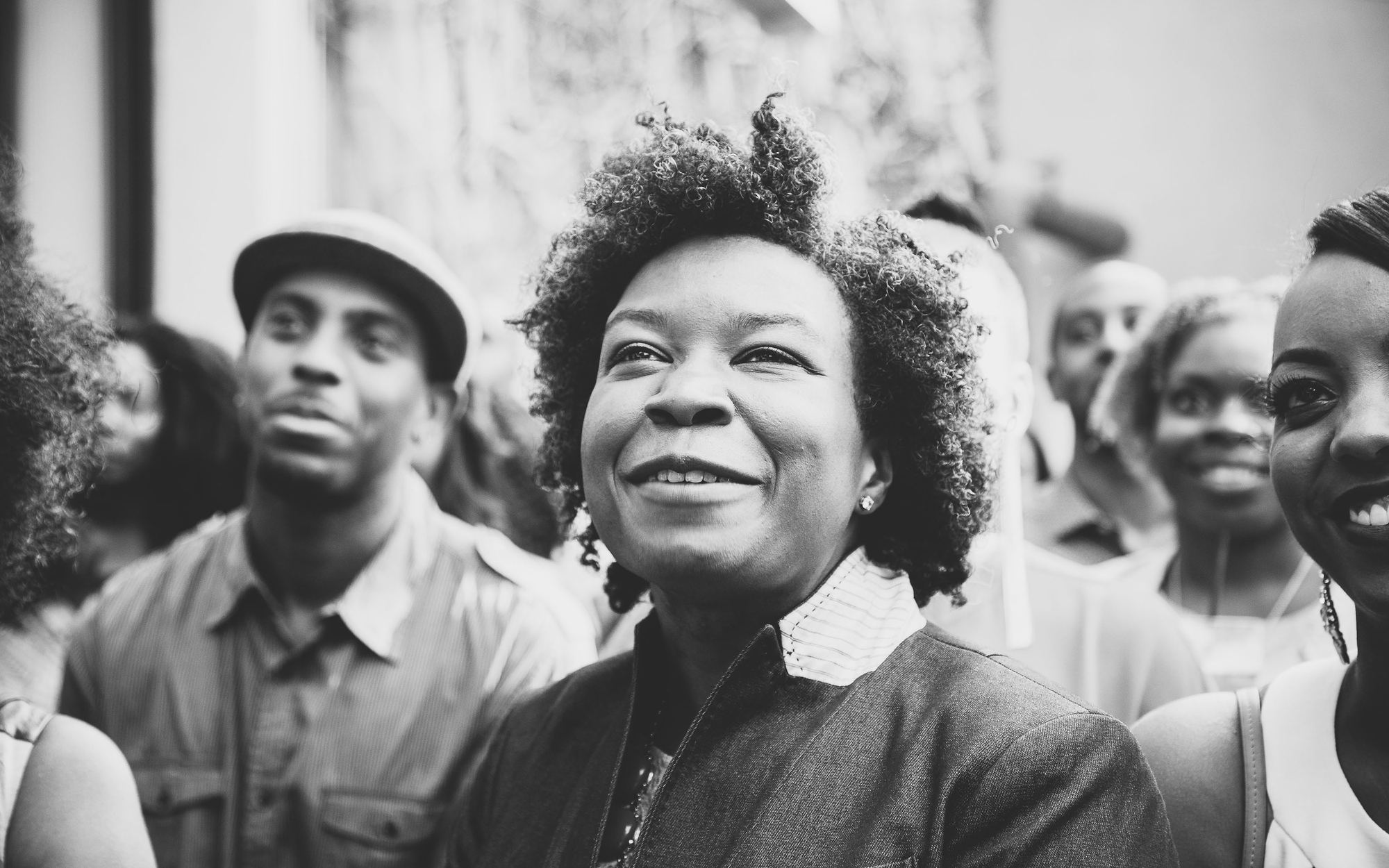
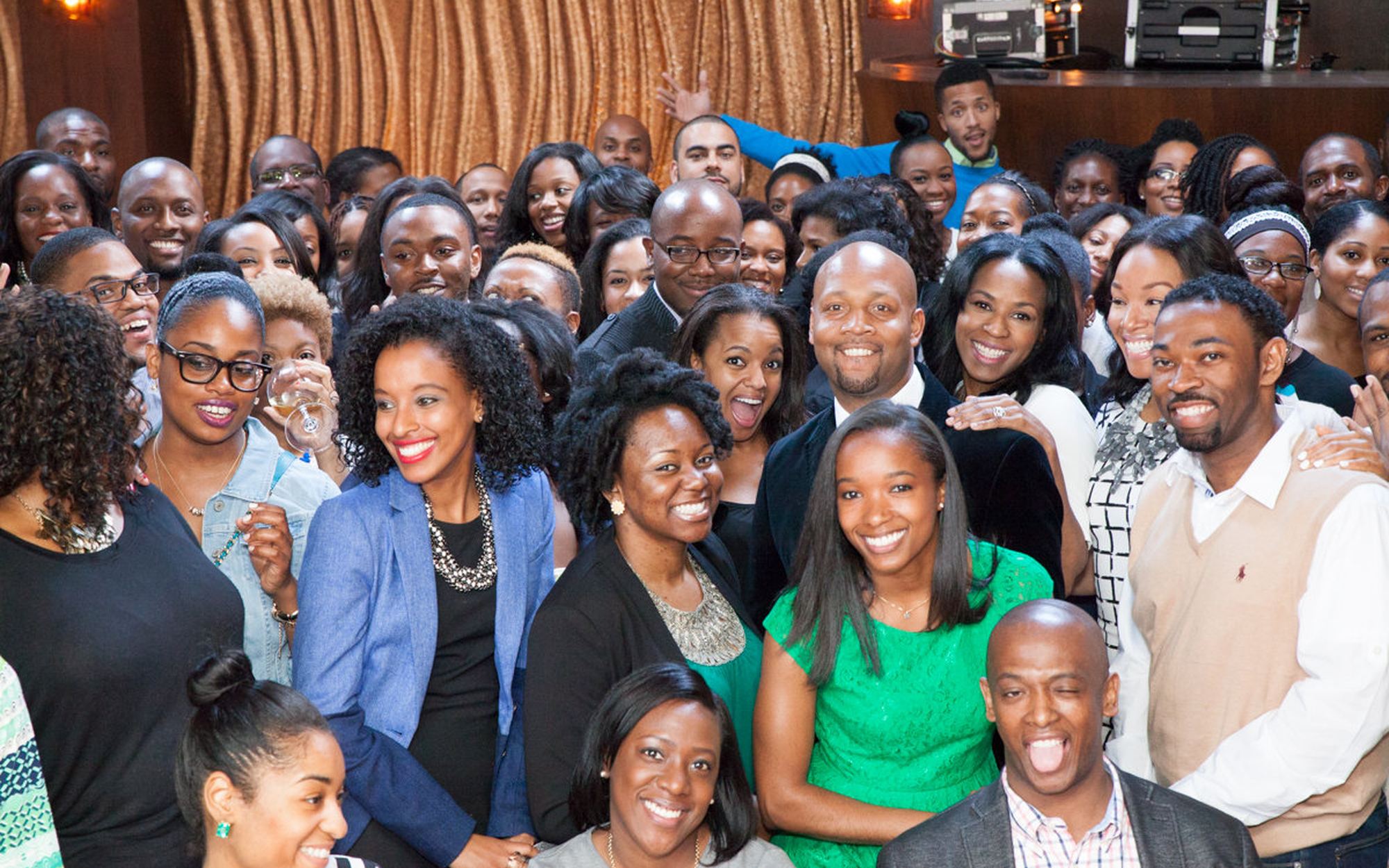
The founding movement of Family Dinner Foundation: a global dinner tradition practiced locally across cities and communities.
Apply to Join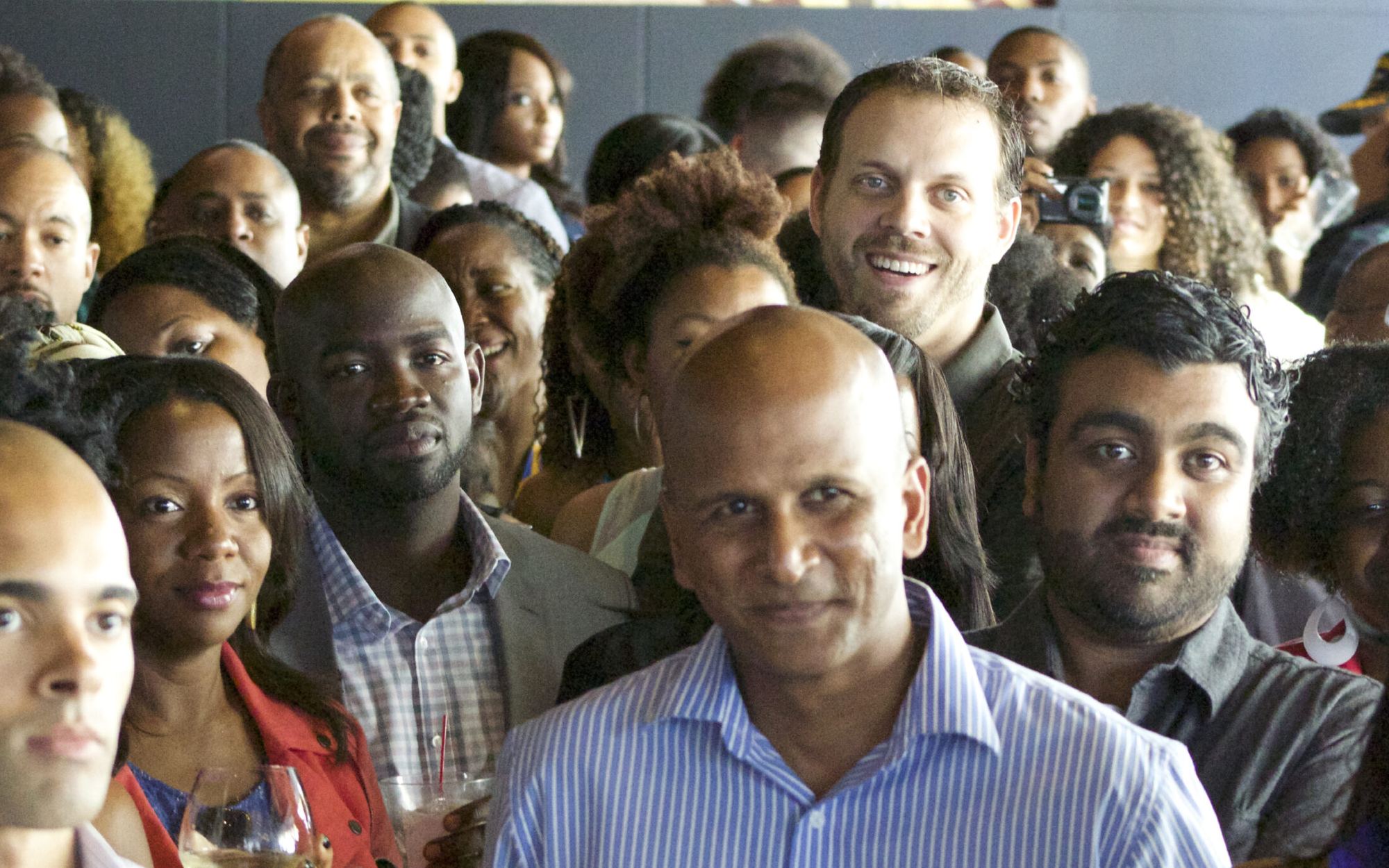
Family Dinner Foundation builds social infrastructure for authentic human connection, mutual care and belonging at and beyond the dinner table.
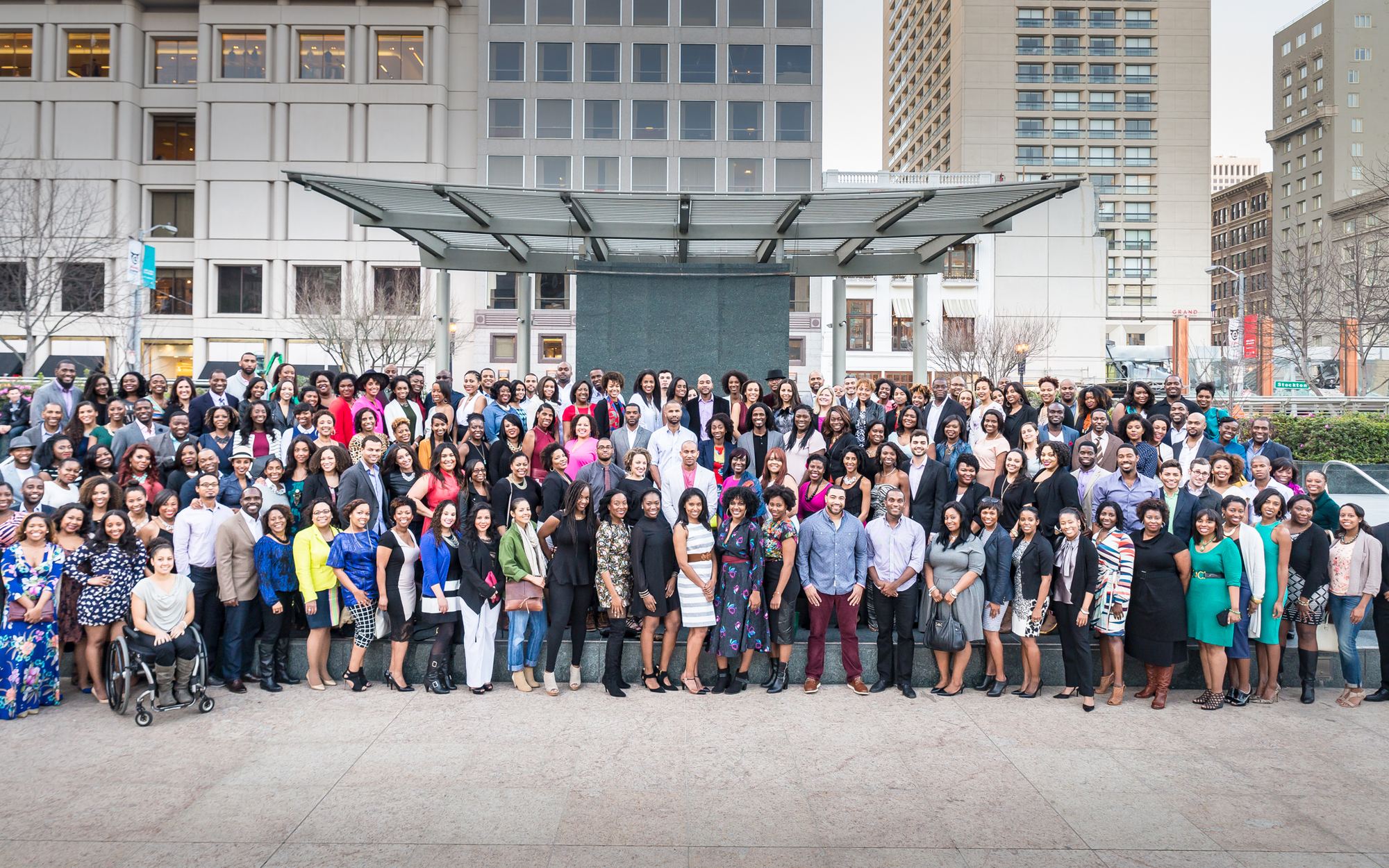
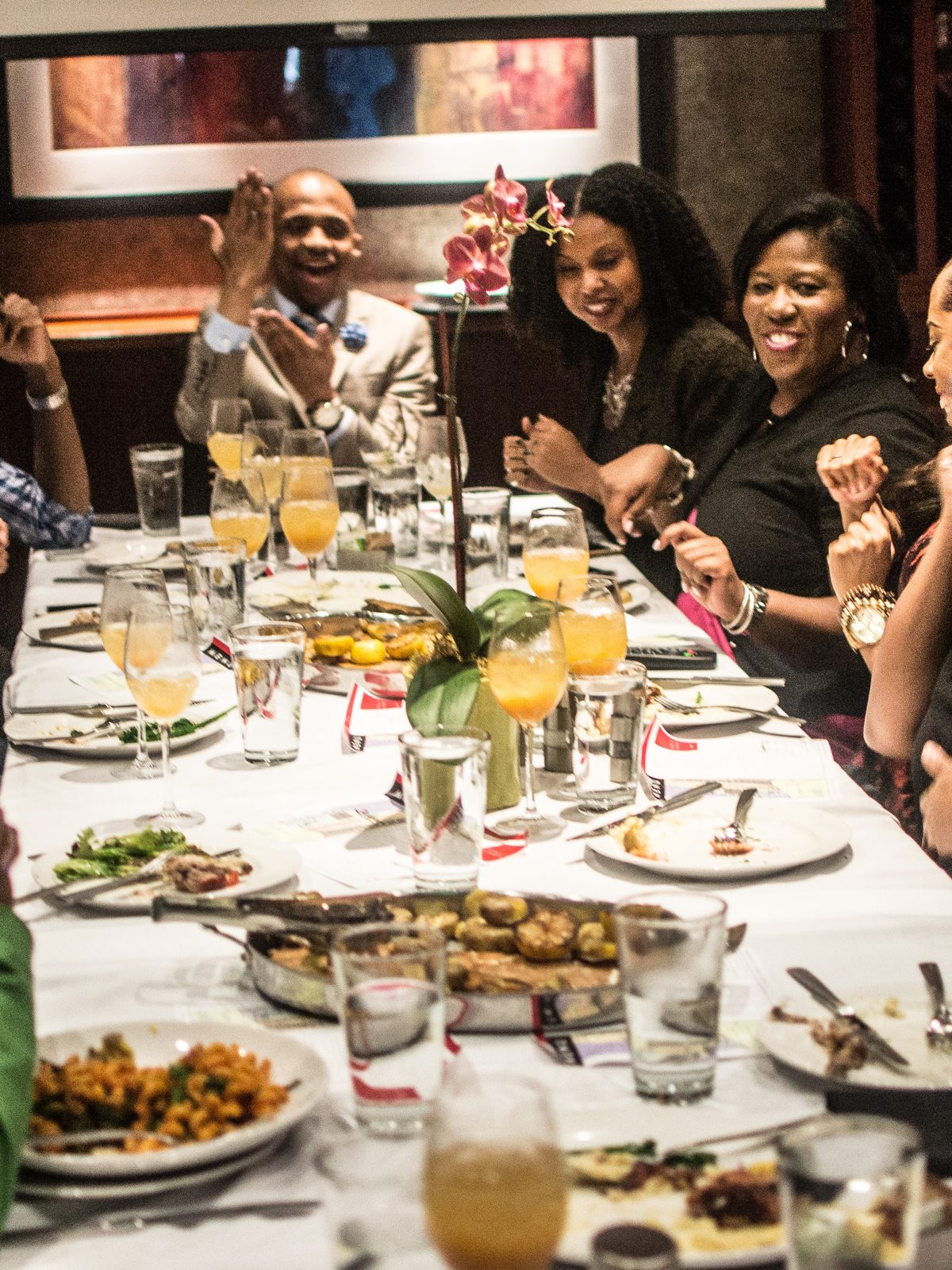
Pictured: Our Family Dinner in
The U.S. Surgeon General has called it an epidemic. One in four adults, in the U.S. and around the world, lack social and emotional support.
Our Family Dinner began in 2008 as a movement bringing strangers together around dinner tables in cities worldwide. Across 40+ cities, 3 continents and 50,000 lives, we learned that the lasting value was not limited to the meal. It was also in the relationships and intentional care that formed around it.
The 5C Mutual Care Framework is one method developed through Our Family Dinner to help communities practice Commitment, Connection, Communication, Crisis care and Celebration. It is not the boundary of every Foundation initiative.
A People
The founding movement of Family Dinner Foundation: a global dinner tradition practiced locally across cities and communities.
Apply to JoinA Place
Co-housing and mutual care for individuals and families who want to live healthier, more connected lives.
In DevelopmentA Platform
Five focused products help people meet nearby, share events, join a lasting group, exchange practical care and make the next meal easier to host.
Meet the five productsA Practice
Commitment, Connection, Communication, Crisis and Celebration. One method developed through Our Family Dinner and applied where it fits.
Read the Framework (PDF)“Be the partner that helps power the future of human connection for a generation.”
Lawrence E. Adjah
Founder and Chairman
The statements shown are dimensions used in participant surveys. They are measures, not published outcome estimates or causal findings.
I have at least one person I can rely on for emotional support.
Relational Support
I feel meaningfully connected to a group who would notice if I were absent.
Group Belonging
In a crisis, someone in my circle would show up in a practical way.
Crisis Support
Compared with six months ago, my belonging and well-being have improved.
Change Over Time
Thirty-eight governments asked the same question we did: what actually rebuilds connection between people? The OECD’s answer, drawn from research across its member countries, was the table. Not as metaphor — as infrastructure.
These are other people’s findings, not ours. We include them because our work should be judged against the field, not against itself.
Individuals who regularly share meals with others report higher levels of happiness, life satisfaction, trust, connection to others in the household, community engagement, and fewer symptoms of depression and anxiety. OECD, 2026. Promoting Social Connectedness Through Food.
of young people across 25 OECD countries share a family meal every day
daily in-person time with friends, 2006 to 2022, across OECD Europe
Americans ate every meal alone in 2023, up from 17% two decades earlier
At a Dutch neighbourhood dinner running since 2005, first-time guests rate their loneliness 2.5 out of 5. Guests who have been coming for three years rate it 1.3. Over half made new friendships there; around 40% now meet those people outside the dinners entirely.
Resto VanHarte
Netherlands
Across a 20-week evaluation of a men’s cooking group, more than 80% reported building stronger social networks and 81% improved confidence and life skills. Roughly a third of participants arrive by referral — including from NHS doctors, who prescribe it.
Men’s Pie Club
United Kingdom
After shared meals across cultures, 75% of participants had made an effort to know someone of a different background, and 73% noticed a change in how they think and behave around difference. On whether it built a place where everyone belongs, 62% said “a great deal” — and nobody said “little” or “not at all.”
Share Kai
New Zealand
Well-being rises with the number of shared meals in a week. Life satisfaction and positive emotion climb as the count goes up, and negative emotion falls. More tables, more of it.
Gallup World Poll
OECD countries
Source and honest limits. All figures above are drawn from OECD (2026), Promoting Social Connectedness Through Food, OECD Publishing, Paris (DOI 10.1787/1fdd5254-en), which is published open-access under CC BY 4.0. The OECD states plainly that the evidence in this field is associational rather than causal, and that programme results like the three above come from participant surveys run by the programmes themselves. So: shared meals are strongly and consistently linked to connection, trust and belonging. No one has yet proven they cause it. We think that is worth saying out loud on the page that cites it.
Turning a proven human practice into durable infrastructure.
Belonging is not a single event. It depends on repeated opportunities to gather, the expectation that people will return, and practical ways to support one another through ordinary life, crisis, and celebration.
We call this social infrastructure: the relational practices, physical places, community structures, and enabling technology that help belonging become dependable.
Recurring gatherings
Consistent opportunities to meet and return in priority cities.
Local mutual care groups
Communities practicing commitment, connection, communication, crisis care, and celebration.
Technology for real relationships
Tools that reduce the friction between intention, participation, and dependable care.
Measurement that earns trust
Evidence and institutional partnerships that health systems and universities can act on.
The next chapter: a $3 million initiative over 24 to 36 months.
Capital supports technology deployment, community pilots across five or more markets, team capacity, measurement and 5C research, and partnerships with health systems and universities.